

 <="">
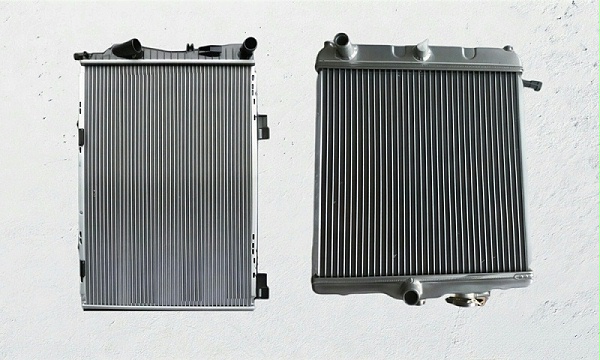
In actual production line applications,Water-cooled Plate Helium Leak Detection TestThe sealing process is facing several interlocking constraints. The diameter of helium molecules is extremely small, and the penetration ability is much stronger than that of ordinary air or nitrogen, so the fit requirement of the sealing interface is one order of magnitude higher than that of the conventional airtight test. The acceptable sealing method in the conventional airtight test may not meet the standard in the helium test environment. The joint and the nozzle must be leak-free, otherwise it will directly affect the authenticity of the test results. The water-cooled plate inlet and outlet pipes are mostly aluminum alloy thin-walled pipe fittings with thin wall thickness. Once scratches or indentations appear on the surface, it not only affects the appearance, but also may become a leakage hazard. If there is a lateral force on the joint during manual operation, it is easy to cause the nozzle deformation or vertical deviation.
 <="">
At the same time,Helium leak detection testUsually performed in a vacuum chamber, there is usually no additional drive gas source or mounting fixture in a conventional vacuum chamber, which further narrows the selection of sealing options. The combination of these three factors makes nozzle sealing in water-cooled plate helium leak detection testing a carefully considered selection issue.
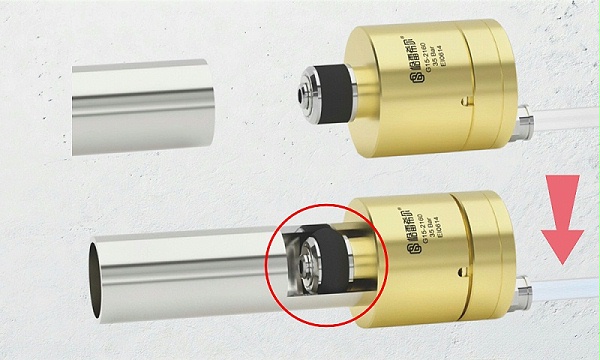 <="">
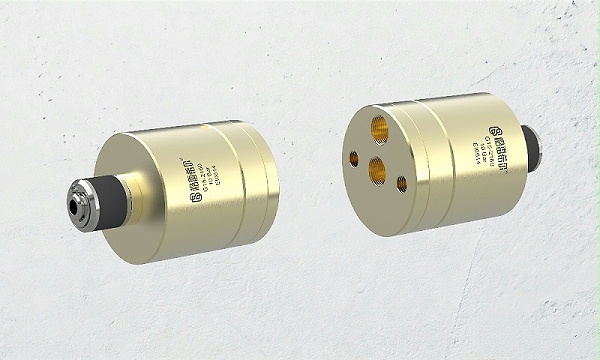
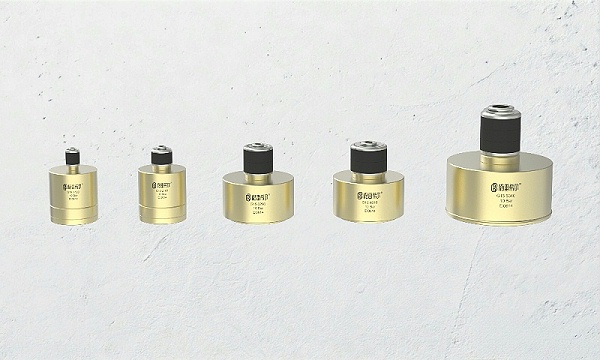
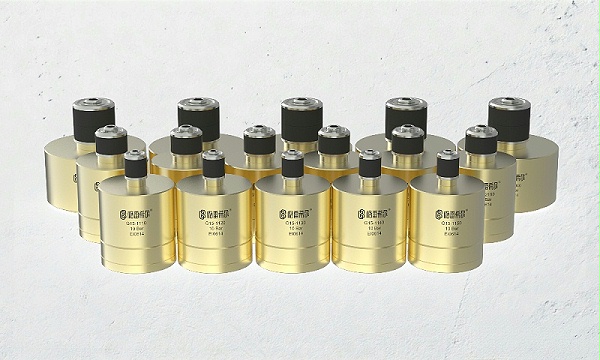
In response to this situation,GripSealofG15Series Pneumatic Quick Seal CouplingIt is a proven solution for the production line. The series of joints are pneumatic driven, and air is injected through the tail drive hole, which pushes the sealing ring with the built-in piston pressing the front end, so that it expands radially and fits the inner wall of the pipe, thus achieving a sealed connection. The material of the sealing ring is optimized so that there will be no indentation or scratches when it comes into contact with the inner wall of the aluminum alloy pipe. During the sealing process, the joint body does not apply a lateral force to the nozzle, thus avoiding the deformation of the pipe fittings under force. The series has a fixed mounting hole at the tail for easy integration into the automated production line, and is precisely positioned and operated by the robot or the actuator. The fit of the expanded sealing ring can meet the sealing grade requirements of the helium leak detection test, covering the diameter range8.5mmto44mmIt basically covers the specification range of the current mainstream water-cooled plate nozzles.
 <="">
However, there is usually no drive gas source required for pneumatic joints in the vacuum box, so the conventionalG15sealing jointIt is not practical to use it in a box. In response to this working situation, GripSealG15Coordination on a series basis"Air lock screw"To deal with: Simply put, it is to install a pressure holding valve at the position of the driving hole of the joint, so that the charged driving air pressure can be maintained stable inside the joint, and the expansion state of the sealing ring can be maintained throughout the test cycle. After the test is completed, the seal can be released through pressure relief, and the joint can be withdrawn. With the special inflatable female head, the operator can quickly complete the connection and pressurization of the driving air source. The whole process does not require additional air passages in the box, nor does it require changing the original structure of the vacuum box.
 <="">
From a practical perspective,G15Series sealing jointIt has been widely used in integrated automated testing in the automotive industry, coveringMotor waterway test、Engine assembly test、Battery pack test、Air conditioning system testingScenarios such as. The sealing scheme for the helium leak detection test of the water-cooled plate is not unique, and the selection must take into account the three factors of vacuum box working conditions, pipe wall material and test accuracy. The idea of pneumatic internal expansion and pressure control of the air-locking screw is one of the feasible paths verified by the production line under these constraints. It does not need to change the on-site hardware, is easy to operate, and can adapt to the test tempo requirements in mass production.